Repipe Drywall Repair: What Happens After Your Plumbing Is Finished?
Repipe Drywall Repair: What Happens After Your Plumbing Is Finished?
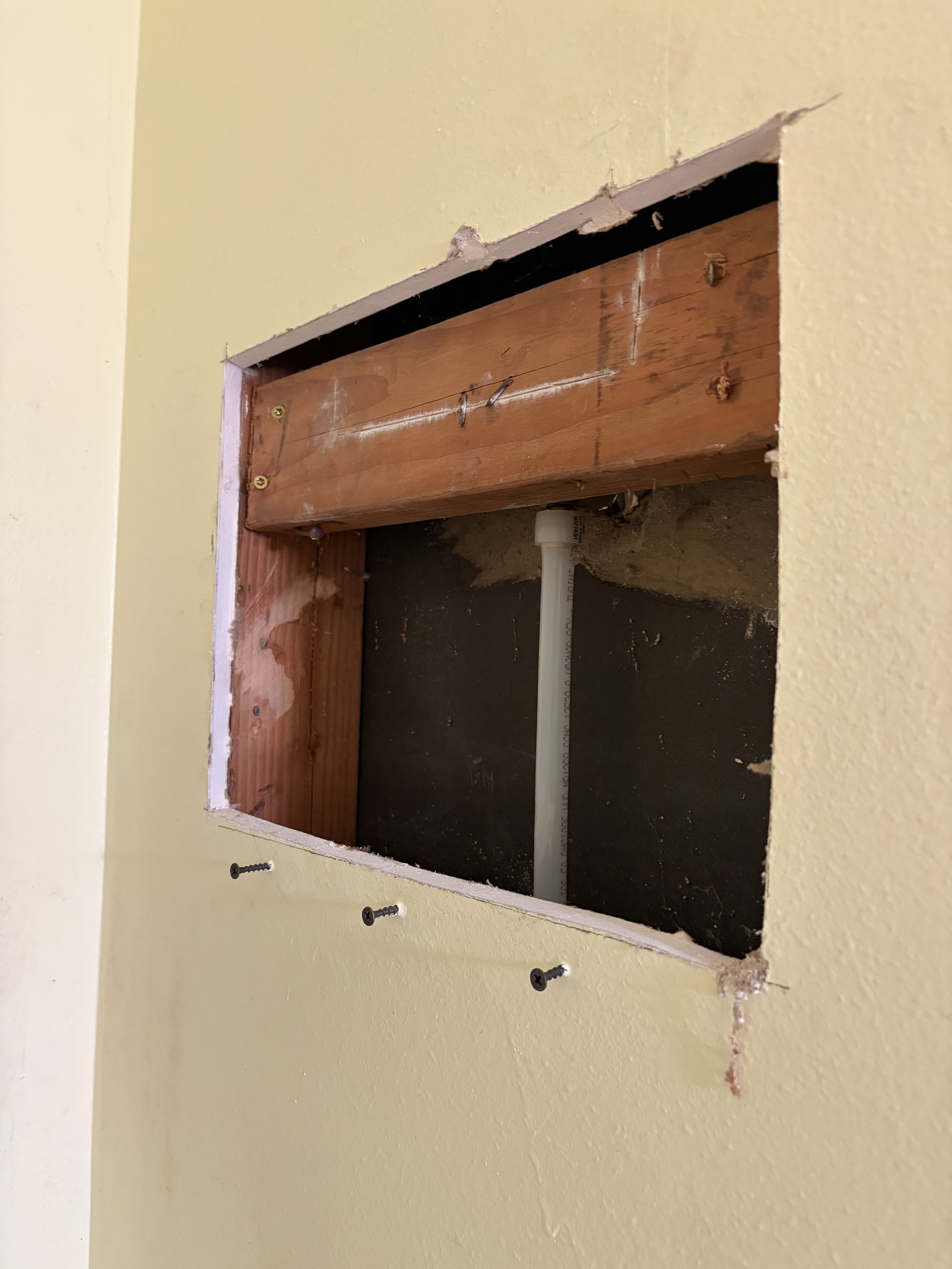
When your plumber finishes replacing old water lines, you’re often left with holes in your walls and ceilings. While the plumbing may be complete, the drywall repair is what restores your home to its original appearance.
At Cornerstone Drywall & Flooring, we specialize in repairing drywall after repipe projects throughout Western Oregon. Our goal is simple: make it look like the walls were never opened.
What Does a Repipe Leave Behind?
To access your plumbing, drywall is typically cut in several locations throughout the home. Depending on the project, this may include:
Walls
Ceilings
Closets
Utility rooms
Around tubs and showers
Some homes only require a handful of openings, while others may have dozens.
Why Quality Repairs Matter
Anyone can cover a hole with new drywall. The difference is in making the repair disappear.
A proper repair includes:
Matching the existing drywall thickness.
Secure backing and fastening.
Proper taping and finishing.
Feathering the repair into the surrounding wall.
Matching the existing texture.
Priming before paint.
Leaving the area clean when the job is complete.
These steps help ensure the repair blends with the rest of your home rather than drawing attention to itself.
Working With Homeowners and Plumbing Contractors
We work directly with homeowners as well as plumbing companies to restore walls after repipe work. Whether your project involves a few access holes or repairs throughout the entire home, we can help return your house to a finished condition.
Need Drywall Repairs After a Repipe?
If you’ve recently had plumbing work completed and need professional drywall restoration, we’d be happy to help.
Cornerstone Drywall & Flooring proudly serves homeowners throughout Western Oregon with drywall repair, plaster repair, texture matching, ceiling repair, and flooring installation.
Contact us today for a free estimate and let us help make it look like the walls were never opened.
Should You Repair or Replace Drywall After Water Damage?
When water damage happens, one of the first questions homeowners ask is:
“Can the drywall be repaired, or does it need to be replaced?”
The answer depends on three things: how much water the drywall absorbed, how long it stayed wet, and whether mold has begun to grow.
When Drywall Can Be Repaired
In many situations, drywall can be successfully repaired if:
The leak was discovered and stopped quickly.
The drywall dried completely within 24–48 hours.
There is no swelling, sagging, or crumbling.
There are no signs of mold growth.
The damage is limited to a small area.
A professional can cut out the damaged section, replace it, tape, texture, and paint it so the repair blends with the surrounding wall or ceiling.
When Drywall Should Be Replaced
Replacement is usually the better option when:
The drywall remained wet for an extended period.
It has become soft or swollen.
The paper facing is peeling.
Mold is visible or suspected.
Water reached insulation behind the drywall.
Simply painting over water damage or patching soft drywall won’t solve the underlying problem and can lead to more expensive repairs later.
What About Mold?
Not every water leak creates mold, but the longer moisture remains trapped behind walls or ceilings, the greater the risk.
If there are signs of significant mold growth, it may be necessary to have a mold assessment performed before demolition begins. This helps determine the extent of the damage and ensures the proper remediation procedures are followed.
Why Matching Texture Matters
One of the biggest concerns after a drywall repair is whether the patch will stand out.
Matching existing texture takes experience. Whether your home has orange peel, knockdown, Santa Fe, skip trowel, or smooth walls, properly blending the repair helps restore the finished appearance instead of leaving an obvious patch.
Preventing Future Damage
After any water damage repair, it’s important to make sure the source of the moisture has been completely fixed. Roof leaks, plumbing leaks, failed caulking, and appliance leaks should all be addressed before drywall repairs begin.
Repairing the drywall without fixing the cause usually results in the same problem returning.
Need Professional Drywall Repairs?
At Cornerstone Drywall & Flooring, we specialize in drywall repairs after plumbing leaks, roof leaks, and other water damage. From removing damaged drywall to matching texture and repainting, we focus on repairs that blend seamlessly with the existing finish.
If you’ve experienced water damage and aren’t sure whether your drywall can be repaired or needs to be replaced, contact us for an honest assessment. We’ll help you determine the best solution and get your home looking like new again.